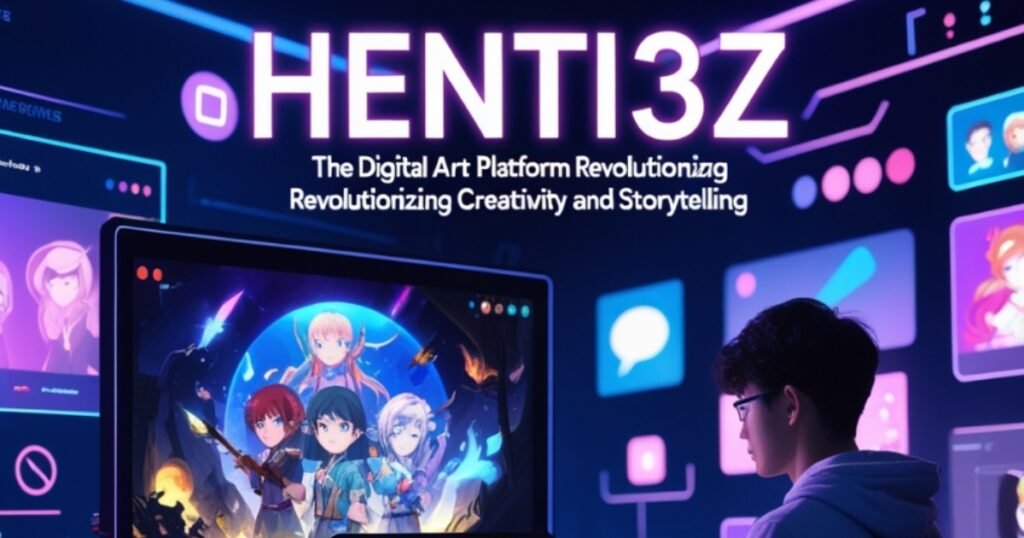

What is henti3z?
Henti3z has emerged as a notable genre within the expansive digital art and cultural landscape. It is characterized by its distinct visual storytelling, which often incorporates elements of fantasy and eroticism, appealing to a diverse audience. The origins of henti3z can be traced back to the early 2000s when it began to gain traction on various internet forums and platforms, transforming into a niche yet influential segment of digital art.
The term henti3z is derived from the broader category of “hentai,” a genre of adult content in anime and manga, but it encompasses a more refined artistic expression that often integrates various thematic elements, such as adventure, horror, and science fiction. This genre has evolved significantly, emerging as a unique phenomenon that reflects the complexities and nuances of digital culture.
Henti3z connects with broader artistic movements, drawing inspiration from traditional art forms while embracing the accessibility and interactivity of digital spaces. The clarity of its themes, styles, and primary audiences is significant in understanding its relevance. The works often feature vibrant colors, exaggerated characters, and innovative storytelling techniques, allowing artists to explore intimate and sometimes controversial subject matter.
Moreover, henti3z has gained attention not just as a genre of consumption but also as a method for artists to express their personal narratives and comments on societal issues. As such, it holds a mirror to contemporary culture, prompting discussions about sexuality, identity, and the role of digital art in the modern world. Through its unique lens, henti3z continues to captivate audiences, affirming its status as a vital component of digital artistic expression.
The Evolution of henti3z in Digital Art
The phenomenon of henti3z has its roots in a variety of artistic influences and technological advancements that have shaped its trajectory over the years. Initially emerging as a niche genre, henti3z garnered attention for its unique blend of storytelling and visual artistry, drawing inspiration from traditional forms of art such as manga and anime. This evolution began in the late 20th century, coinciding with the rise of the internet and digital technologies that afforded artists new platforms for creativity.
One significant milestone in the development of henti3z occurred with the advent of digital illustration software in the early 2000s. Artists could now easily create intricate works while sharing their creativity across global online communities. Platforms like DeviantArt and later, social media, became pivotal in giving exposure to emerging artists whose works made a significant contribution to the henti3z genre. Through these platforms, creators such as [notable artist name] gained popularity, effectively blending innovative techniques with captivating narratives that enriched the henti3z landscape.
Shifts in societal attitudes towards sexuality and digital expression have also played a crucial role in the evolution of henti3z. As audiences became more accepting of diverse artistic genres and narratives, the genre evolved to include a wider array of themes and styles. This shift encouraged creators to explore more complex storylines and character developments, transcending the traditional boundaries that once constrained them. Furthermore, advancements in animation and virtual reality technologies have opened new avenues for creative exploration within henti3z, allowing for immersive experiences that were once considered unattainable.
In conclusion, the evolution of henti3z illustrates how artistic expression can flourish through technological progression and social change. With every shift in popularity and acceptance, the genre has continually adapted, showcasing the resilience and innovation of its artists. The future of henti3z remains promising as creators explore uncharted territories in digital art and culture.
Cultural Impact of henti3z – From Niche to Mainstream
The journey of henti3z from a niche subculture to a prominent aspect of digital art and culture has significantly shaped contemporary artistic expression and social interaction. In recent years, henti3z has emerged as a unique form of artistic representation, often blending traditional art forms with modern digital techniques. This blend has not only attracted artists but has also inspired a diverse array of creators and audiences, fostering vibrant communities centered around appreciation and critique.
Initially, henti3z was often dismissed as mere novelty within the vast landscape of internet culture. However, as more individuals began engaging with this art form, it started influencing mainstream media. Major social platforms now showcase henti3z-inspired works, opening dialogues about its relevance and validity as an art form. Documentaries, podcasts, and articles exploring the depth and meaning of henti3z have contributed to its growing acceptance, inviting a wider audience to participate in these discussions.
Moreover, henti3z has stimulated conversations about digital art’s boundaries and its relationship with traditional artistic mediums. This evolution has given rise to debates about copyright, originality, and the ethical responsibilities of digital artists. Fans often celebrate henti3z for its creativity and innovativeness, while critics raise concerns about its implications and the narrative it promotes. Nevertheless, the dialogue surrounding henti3z underscores its cultural relevance, ensuring it occupies an essential space in discussions on the future of digital art.
Additionally, henti3z has empowered individuals to connect, share, and collaborate within a community that transcends geographical barriers. Online forums, social media groups, and art exhibitions have emerged, enabling enthusiasts to exchange ideas and critique each other’s work, thus enhancing the quality and innovation in this artistic realm.
The Future of henti3z: Trends and Predictions
The henti3z genre continues to capture the imagination of both artists and audiences, evolving rapidly in response to technological advancements and cultural shifts. As we look to the future, several emerging trends are shaping the landscape of henti3z, paving the way for fresh avenues of expression and creativity within this digital art form.
Firstly, the integration of augmented reality (AR) and virtual reality (VR) technologies is expected to significantly impact how henti3z artworks are created and experienced. These immersive technologies provide new opportunities for artists to expand their visions, allowing audiences to interact with art in a multi-dimensional space. This evolution is likely to enhance engagement, enabling individuals to experience henti3z beyond traditional platforms, thereby broadening its appeal.
Moreover, as the community surrounding henti3z continues to grow, so too does the diversity of voices and styles contributing to the genre. A trend towards more inclusive representation within artworks is becoming evident, as artists aim to reflect varied narratives and perspectives within the henti3z framework. This cultural adaptation may result in a richer artistic tapestry that resonates with a wider audience, fostering greater appreciation for the genre overall.
Additionally, the rise of decentralized platforms and blockchain technology presents new possibilities for both artists and fans of henti3z. This shift towards decentralized digital ownership could empower creators, allowing them to monetize their work in innovative ways while also fostering stronger connections with their audience. This evolution might herald a future where artists can cultivate dedicated followings, earned not just through their craft, but also through direct engagement with their community.
In conclusion, the future of henti3z appears bright, filled with opportunities for technological innovation, artistic diversity, and enhanced community interaction. As the genre continues to evolve, it will be essential for both creators and consumers to adapt to these changes, embracing the myriad possibilities that lie ahead.